MPTAAS: Administrative Hurdles for Tribal Students Applying
Tribal students face several barriers when it comes to applying for educational opportunities, particularly for the MPTAAS (Madhya Pradesh Tribal Affairs and Scholarship) program. These barriers are multifaceted, encompassing cultural, financial, technological, and logistical challenges that hinder their ability to access scholarships and educational benefits.
Lack of Information and Guidance
Complex Bureaucracy and Documentation
The MPTAAS application process requires several official documents, including birth certificates, tribal certificates, and academic records. For students in remote areas, obtaining these documents can be time-consuming and expensive.
Without the necessary paperwork, students are unable to submit their applications, preventing them from accessing essential educational opportunities.
Educational institutions should offer assistance with collecting official documents and provide support services to help students navigate this bureaucratic process.
Language and Cultural Challenges
Digital Access & Technology Issues
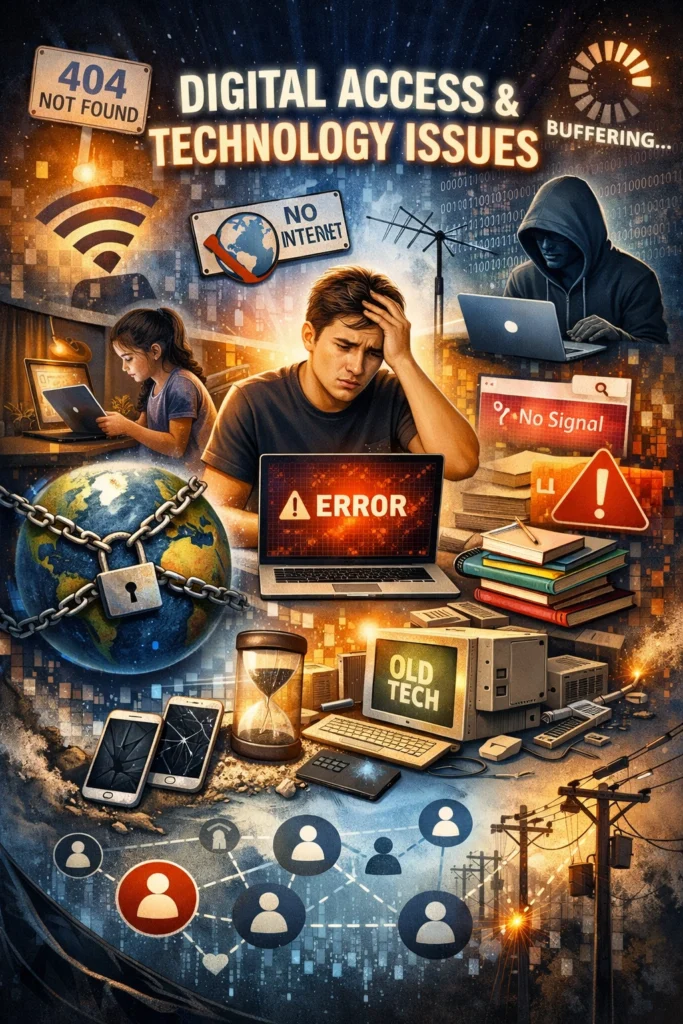
Many tribal students come from communities with limited access to the internet, computers, and tech support. This makes online applications difficult or impossible to complete.
Many educational applications are now digital, and without reliable access to technology, tribal students face a major barrier.
Educational institutions can offer offline application options or establish mobile outreach programs. Providing digital literacy training will also help students navigate the process more effectively.
Financial Challenges
Even when education is “free,” applying isn’t:
- Printing fees
- Travel to offices
- Costs for official stamps or certificates
These costs can add up, especially for families with limited income.
Extra financial burdens can prevent tribal students from completing their applications and pursuing education.
Fee waivers and local support units should be more widely available to reduce these financial barriers for tribal students.
Distance and Accessibility Issues
Insufficient Support Services
Many tribal schools or support centers are underfunded, which results in:
- Limited staff to assist students
- Outdated technology or lack of resources for application support
Lack of resources and support staff makes it harder for tribal students to navigate the application process successfully.
Governments and educational institutions should direct more funding to tribal schools and increase staffing to better support students, including vocational students who require practical training and skill-based education. Strengthening resources, improving infrastructure, and providing skilled instructors can help vocational students gain the knowledge and hands-on experience needed for better career opportunities.
Community Support and Peer Mentorship
Tribal students often lack role models and mentors who understand their unique challenges. Peer mentorship is limited, and without guidance from individuals who have navigated the system, students may feel isolated.
Mentorship from peers or community leaders who understand the cultural and logistical challenges faced by tribal students can provide valuable support and encouragement. This can improve their chances of success in the application process and in their studies.
Educational institutions and tribal organizations should implement community-based mentorship programs, where older students or local leaders can provide guidance, share their experiences, and offer emotional support to younger students applying for the MPTAAS scholarship.
Role of Government Policies
Challenge:
Government policies often do not adequately address the specific needs of tribal students, leaving gaps in support and accessibility.
Why It Matters:
Without tailored policies that address the unique challenges faced by tribal students, such as remote access to schools, language differences, and financial hardships, many students continue to fall through the cracks.
Solution:
Government initiatives should be reviewed and expanded to ensure they address the unique barriers tribal students face. Policy reforms could include increasing funding for tribal education programs, offering more scholarships specific to tribal students, and creating dedicated administrative support for them in the application process.
Cultural Disconnect in Application Systems
The application systems used by most institutions often do not account for the unique needs of tribal students. These systems typically operate on a one-size-fits-all approach that doesn’t reflect tribal values or community structures.
The application process may feel disconnected from the student’s cultural background, leading to confusion and disengagement.
Institutions should work directly with tribal communities to adapt application processes that are more culturally relevant and accessible.
Problem
Lack of Awareness: Tribal students ko scholarships ke baare mein proper information nahi milti. Unhe application process, required documents, aur deadlines ke baare mein nahi pata hota, jis ki wajah se woh important opportunities miss kar dete hain.
Bureaucratic Hurdles: MPTAAS scholarship ke liye kai official documents ki zarurat hoti hai, jaise birth certificates aur tribal certificates. Remote areas mein students ko yeh documents lena bohot mushkil aur mehenga hota hai.
Language & Cultural Barriers: Bohot se tribal students apni native language bolte hain, aur unko official documents jo ek different language mein hote hain, samajhna mushkil hota hai. Iski wajah se woh eligibility criteria aur instructions ko samajh nahi paate.
Limited Digital Access: Tribal communities mein internet aur technology ka access limited hota hai, is liye online application process unke liye mushkil ho jata hai. Unko digital literacy bhi kam hoti hai jo unko application process ke liye zaroori hoti hai.
Financial Barriers: Application ke liye printing fees, travel expenses, aur certificates ki cost bhi students ke liye financial burden ban jati hai. Yeh extra costs unko apni application complete karne mein rukawat dalti hain.
Distance from Institutions: Tribal students apne gaon se door educational institutions aur government offices ke liye travel karte hain, jo costly aur time-consuming hota hai. Is se unko application submit karne mein problems hoti hain.
Underfunded Support Services: Tribal schools mein kam staff aur outdated technology ki wajah se students ko application process mein madad nahi mil pati.
Lack of Peer Mentorship: Tribal students ke paas role models nahi hote jo unhe process samjha sake aur unko guidance de sake. Yeh unke liye isolation ka sabab ban jata hai.
Ineffective Government Policies: Government policies tribal students ke liye specific challenges ko address nahi karti. Is wajah se students ko proper support nahi mil pata.
Cultural Disconnect: Institutions ke application systems tribal students ki cultural needs ko samajh nahi pate. Yeh systems unke liye accessible nahi hote.
FAQs
Final Words
The administrative hurdles faced by tribal students in applying for education are varied and complex, requiring multifaceted solutions. Educational institutions, governments, and tribal communities must collaborate to address these challenges. By simplifying the application process, providing financial support, offering digital literacy programs, and making the system more culturally inclusive, we can create a more equitable educational environment for tribal students.


