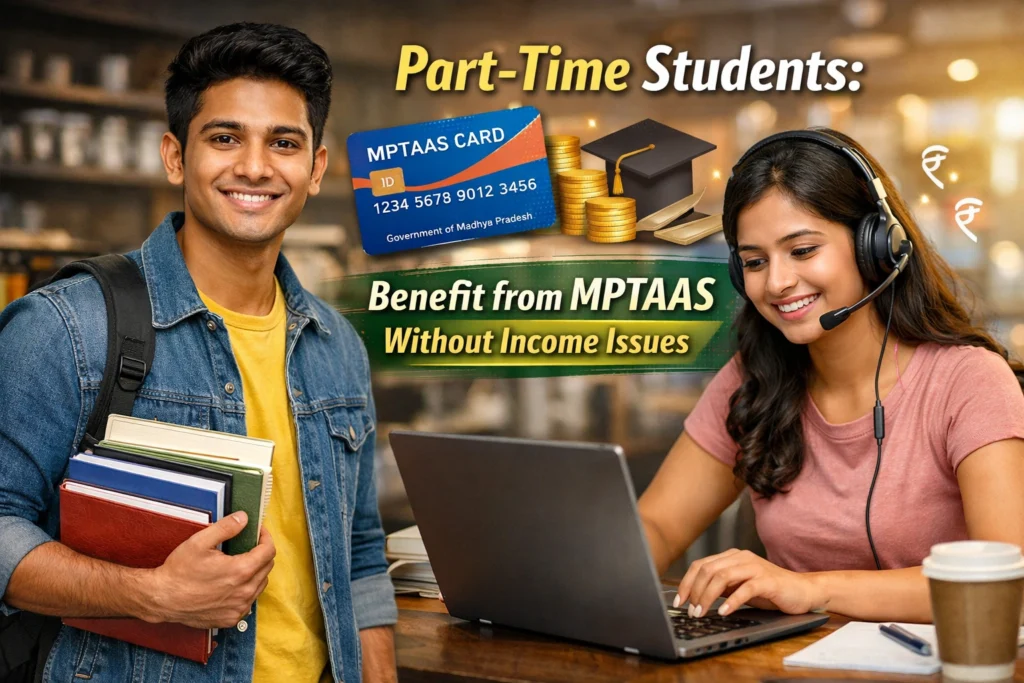
Part-Time Students:Benefit from MPTAAS Without Income Issues
Balancing a part-time job with academic responsibilities can be tough, but many students are unaware that they can still benefit from the Maharashtra Public Transport and Academic Assistance Scheme (MPTAAS), even with a job.
MPTAAS provides much-needed financial support for both public transport and academic expenses, but it does come with specific eligibility requirements, especially concerning income limits. This article explains how part-time students can make the most out of MPTAAS without exceeding the income cap.
Understanding the MPTAAS Income Criteria
MPTAAS is specifically designed to assist students with public transport costs and academic expenses. However, it comes with an income limit based on both the student’s personal earnings and their family’s income. Students must ensure that their total income doesn’t cross the threshold set by the scheme to remain eligible.
Income Management for Part-Time Students
Part-time students working jobs should keep a close eye on their income to ensure it stays within the MPTAAS limits. The scheme considers both personal and family income. Students should:
Keep a clear record of earnings from the part-time job as well as any family income.
If earnings approach the limit, reducing working hours can help avoid exceeding the threshold.
If unsure, contact MPTAAS for clarification on how to properly report income.
By effectively managing their income, part-time students can access the full benefits of MPTAAS without breaching the set limits.
Benefits of MPTAAS for Part-Time Students
Even with the income restrictions, MPTAAS provides significant benefits for part-time students:
These benefits help ease the financial burden, allowing students to prioritize their academic journey while managing a part-time job.
Other Financial Aid Options for Part-Time Students
If MPTAAS doesn’t align with your income situation, there are alternative financial aid options for students working part-time:
State-Specific Schemes:
Many states offer similar initiatives for students.
Private Scholarships:
Numerous private organizations offer scholarships for students in need.
University Grants:
Some universities have their own financial aid programs for part-time workers.
By exploring these alternatives, part-time students can secure the financial support they need.
How to Apply for MPTAAS: Step-by-Step Guide
Applying for MPTAAS is straightforward, but students must ensure that all required documents are ready:
By gathering all necessary documents in advance, students can streamline the application process and avoid delays.
Balancing Work and Study: Effective Strategies
Successfully managing a part-time job and academic responsibilities requires planning and organization:
Prioritize Academic Commitments:
Ensure that your studies come first and plan work schedules around important academic deadlines.
Create a Time Management Plan:
Use a planner or digital tool to organize both work hours and study sessions efficiently.
Stay Organized:
Keep study materials and workspaces organized to maximize productivity during limited study hours.
By following these tips, part-time students can find a balance that allows them to excel in both work and studies.
Empowering Underprivileged Students Through MPTAAS
MPTAAS plays an essential role in supporting students from marginalized communities, including those from Scheduled Castes (SC), Scheduled Tribes (ST), and economically disadvantaged backgrounds. The scheme helps by:
This financial assistance is vital for students striving for higher education and career growth, making it an essential resource for many.
MPTAAS vs Other Government Schemes: What’s the Right Choice?
While MPTAAS offers great benefits, there are other government programs designed to help students as well. Here’s a quick comparison:
Focuses on public transport and academic expenses with an income limit.
Broader coverage for students across India, including various scholarships for SC/ST students.
Tailored to the needs of students within specific states, like Karnataka State Scholarships or Uttar Pradesh’s financial aid programs.
Understanding the differences between these schemes can help students choose the best one based on their needs.
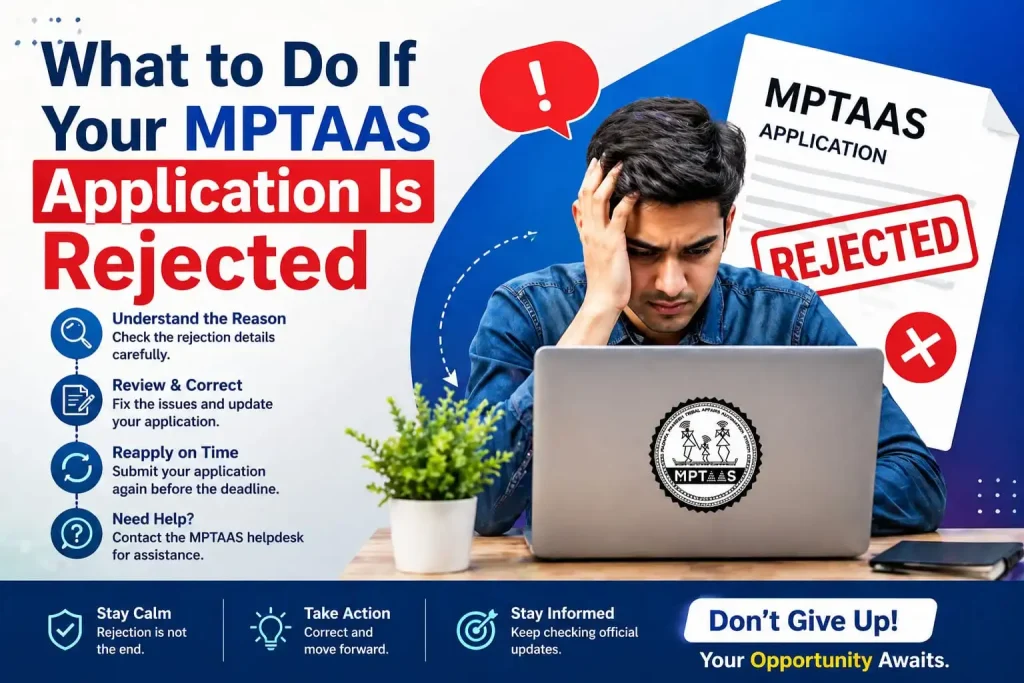
What to Do If Your MPTAAS Application Is Rejected
If your MPTAAS application is rejected, here’s how to proceed:
Check for any missing documents or discrepancies in the information you submitted.
: Most programs allow students to appeal the decision with additional evidence.
If your application is rejected due to income issues, consider reapplying once you’ve adjusted your earnings.
FAQs
Final Words
Part-time students can still benefit from MPTAAS by effectively managing their income and following the application process carefully. By staying within the income limits, maintaining transparency, and exploring other financial aid options, students can access essential support for their education. With MPTAAS, part-time students can focus on their academic goals while balancing work responsibilities.


